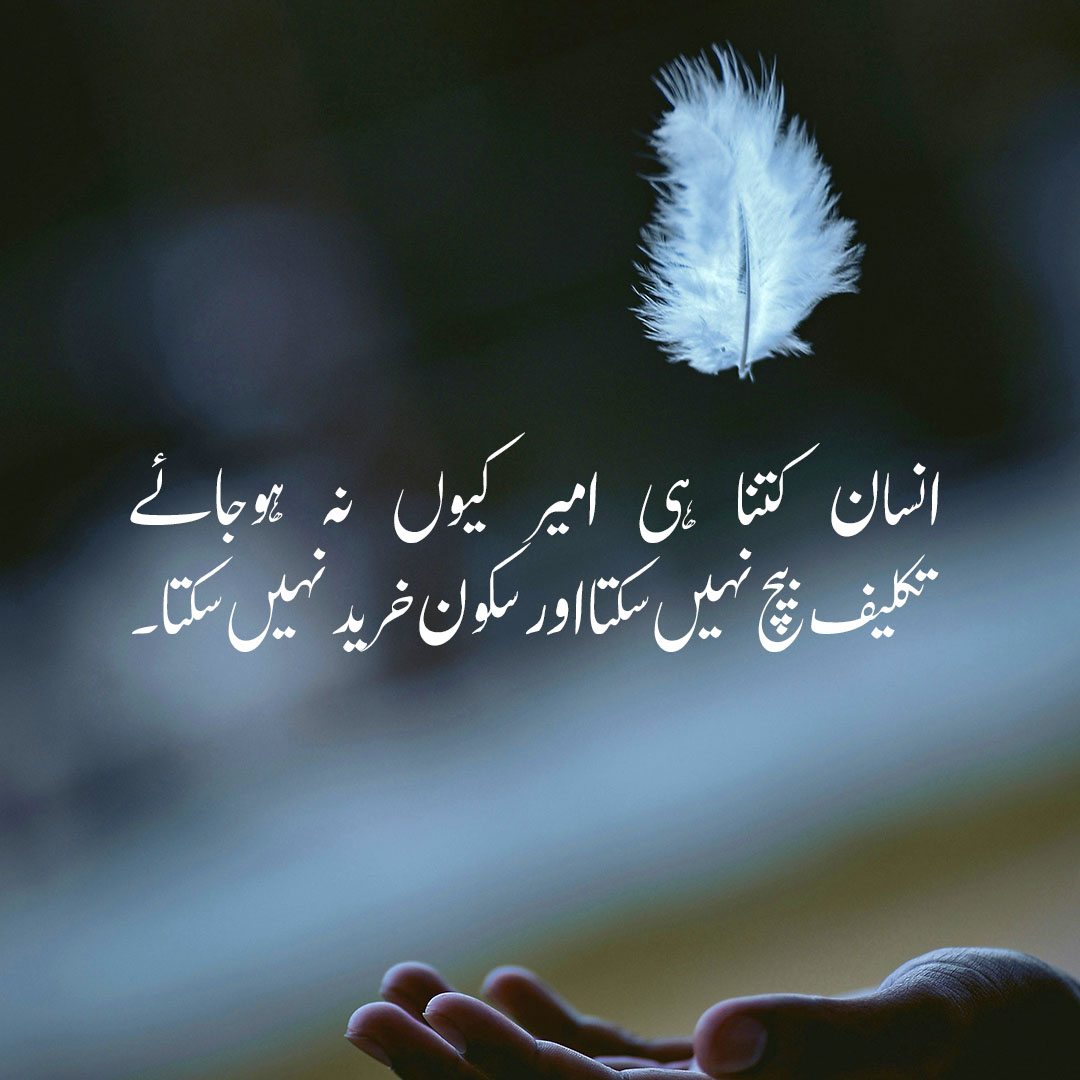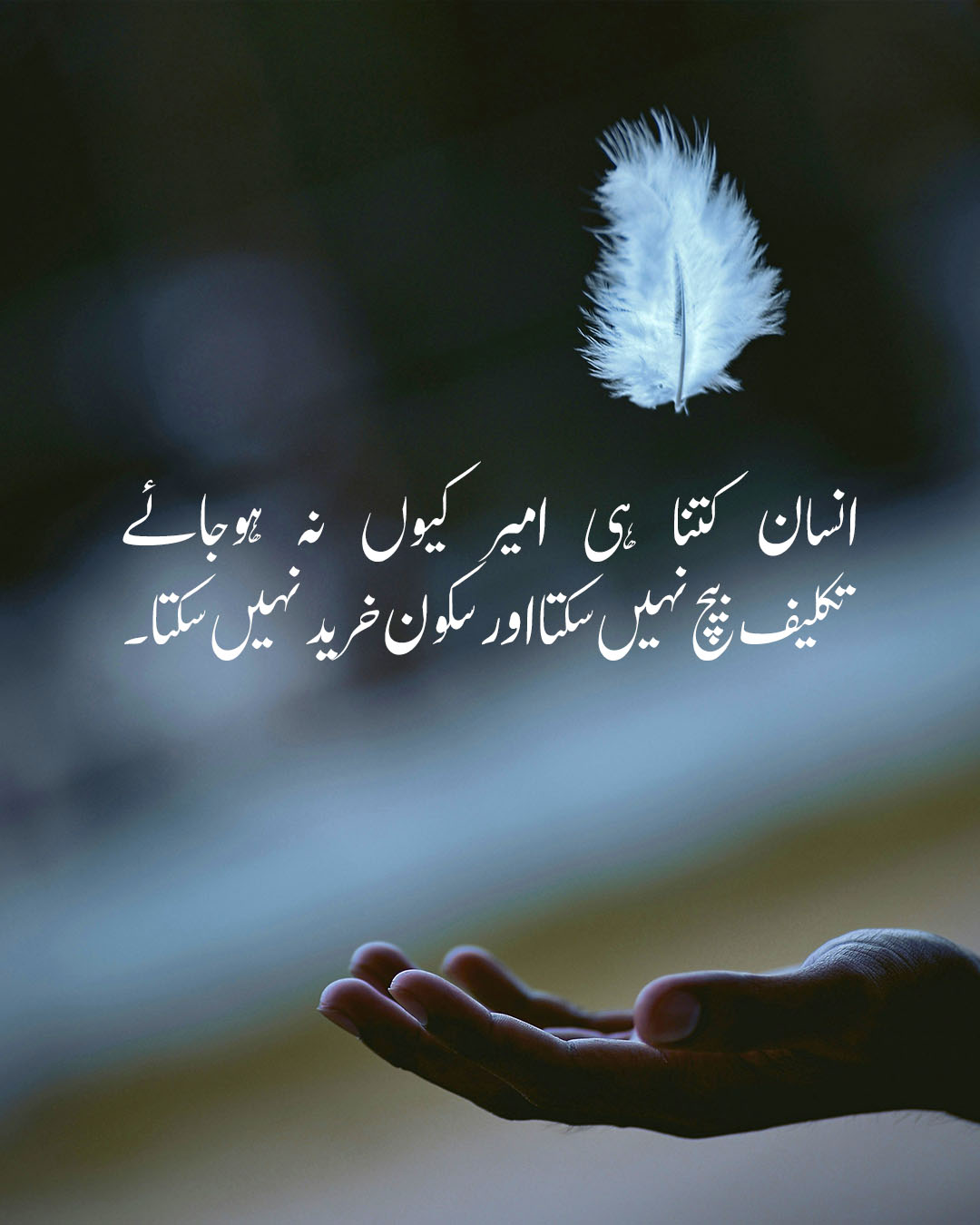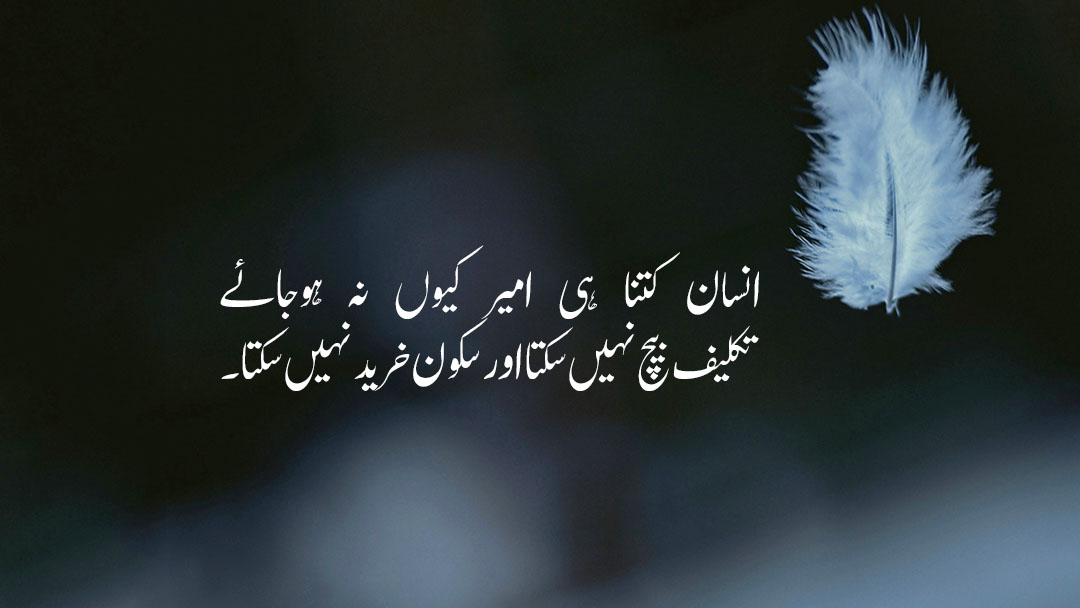

تمہاری عمر میں اگر تمہارے آس پاس کے لوگ عیاشی کر رہے ہیں اور اپنے باپ کے پیسوں پر اِترا رہے ہیں تو تم یاد رکھنا کہ تمہارا مقابلہ اُن سے نہیں، اُن کے باپ سے ہے۔
Tumhari umar mein agar tumhare aas paas ke log aiyyashi kar rahe hain aur apne baap ke paison par itra rahe hain, toh tum yaad rakhna ke tumhara muqabla unse nahin, unke baap se hai.
If people around you are living luxuriously and boasting about their father's money at your age, remember that your competition is not with them, but with their father.
,,
,,
یہ قول خود ساختہ کامیابی اور محنت پر زور دیتا ہے۔ جب آپ کے ہم عمر لوگ وراثت میں ملی دولت پر عیاشی کر رہے ہوں، تو یاد رکھیں کہ آپ کا ہدف ان کے مقابلے میں ان کے والد کی سطح کی کامیابی حاصل کرنا ہونا چاہیے۔
This quote emphasizes that true competition involves aiming for the level of success achieved by the previous generation, especially when observing peers relying on inherited wealth. It serves as a powerful call for self-made success and ambition.
1
/ 36
مسئلہ یہ نہیں کہ ظالم طاقت ور ہیں۔المیہ یہ ہے کہ مظلوم تقسیم ہیں۔
Masla yeh nahi ke zaalim taqatwar hain. Almiya yeh hai ke mazloom taqseem hain.
The problem is not that the oppressors are powerful. The tragedy is that the oppressed are divided.
,,
,,
اس شعر کا بنیادی پیغام یہ ہے کہ جب تک حق پر چلنے والے لوگ بکھرے رہیں گے، تب تک باطل یا ظالم اپنی طاقت کا ناجائز فائدہ اٹھاتا رہے گا۔ کامیابی کا راستہ اتحاد میں پوشیدہ ہے۔
2
/ 36
جب آپ کامیاب ہونا شروع کریں تو تالیاں بجانے والوں پر نہیں، خاموش ہونے والوں پر نظر رکھیں۔
Jab aap kamyab hona shuru karein toh taliyan bajane walon par nahi, khamosh hone walon par nazar rakhein.
When you start becoming successful, keep an eye not on those who applaud, but on those who fall silent.
,,
,,
یہ قول مشورہ دیتا ہے کہ کامیابی کے آغاز پر صرف تالی بجانے والوں پر توجہ نہ دیں، بلکہ ان لوگوں پر نظر رکھیں جو خاموش ہو جاتے ہیں۔ یہ حکمت عملی کامیابی کے سفر میں حسد اور حقیقی ردعمل کو سمجھنے میں مددگار ثابت ہوتی ہے۔
This quote advises focusing attention on those who react to your success with silence or resentment rather than those who openly cheer. It highlights the importance of discerning genuine support from hidden envy as one achieves greater heights.
3
/ 36
تُم نے دیکھا ہے کبھی۔۔۔؟ رب کی رضا میں راضی لوگوں کو! خوش نہ بھی ہوں تو بھی پُر سکون ہوتے ہیں۔
Tum ne dekha hai kabhi...? Rab ki raza mein raazi logon ko! Khush na bhi hon to bhi pur sukoon hotay hain.
Have you ever seen people who are content with the will of God? Even if they are not happy, they remain peaceful.
,,
,,
یہ قول ان لوگوں کے بارے میں ہے جو اللہ کی رضا میں راضی رہتے ہیں۔ ان کا سکون کسی دنیاوی خوشی کا محتاج نہیں ہوتا بلکہ وہ ہر حال میں اطمینان اور پرسکون ہوتے ہیں۔
This quote reflects on the profound peace experienced by those who accept and are content with the divine will, regardless of their immediate happiness. It suggests that true tranquility comes from submission to God's plan.
4
/ 36
جنازے سے پہلے بھی انسان کو بہت سی جگہوں پر کندھے کی ضرورت ہوتی ہے۔ اگر لوگ سمجھیں۔
Janaze se pehle bhi insaan ko bohat si jaghon par kandhe ki zarurat hoti hai. Agar log samjhein!
Before the funeral, a person needs a shoulder in many places. If only people understood!
,,
,,
یہ اقتباس اس بات پر زور دیتا ہے کہ زندگی کی مشکلات میں انسان کو حقیقی سہارے اور کندھے کی ضرورت ہوتی ہے، نہ کہ صرف موت کے بعد۔ یہ لوگوں کی بروقت مدد اور ہمدردی کی اہمیت کو اجاگر کرتا ہے۔
This quote highlights that true support is needed during the difficult times of life, not just at the time of death. It emphasizes the importance of empathy and being present for others when they are struggling.
5
/ 36
انسان نہیں بولتا! اس کے دن بولتے ہیں۔۔۔ اور جب دن اچھے نہ ہوں تو انسان لاکھ بولے کوئی نہیں سنتا۔
Insaan nahi bolta! Us ke din bolte hain... Aur jab din acche na hon to insaan laakh bole, koi nahi sunta.
A person does not speak; their days speak. And when the days are not good, no matter how much a person speaks, no one listens.
,,
,,
یہ مقولہ اس بات پر زور دیتا ہے کہ انسان کی قسمت اور حالات (اس کے دن) اس کی باتوں سے زیادہ اہمیت رکھتے ہیں۔ جب حالات سازگار نہ ہوں تو انسان کی ہزار کوشش کے باوجود کوئی اس کی بات نہیں سنتا۔
This quote highlights that a person's circumstances and fate (their 'days') determine their influence more than their actual words. When times are unfavorable, even genuine efforts to communicate or justify oneself go unheard.
6
/ 36
وہ خسارہ ہمیشہ یاد رہتا ہے جو کسی کے ساتھ دل سے مخلص ہو کر کھایا گیا ہو۔
Woh khasara hamesha yaad rehta hai jo kisi ke saath dil se mukhlis ho kar khaya gaya ho.
That loss is always remembered which was incurred by being sincerely loyal to someone.
,,
,,
یہ قول اس دائمی تکلیف کو اجاگر کرتا ہے جو اس وقت ہوتی ہے جب کوئی شخص خلوص اور وفاداری کے ساتھ کسی کے ساتھ پیش آئے اور بدلے میں نقصان یا دھوکہ کھائے۔ دل کی گہرائیوں سے اٹھنے والا یہ زخم ہمیشہ یادگار رہتا ہے۔
This quote highlights the enduring pain of suffering a loss or betrayal when one has offered genuine sincerity and loyalty. The memory of such a specific kind of wound remains deeply etched because of the purity of the intent involved.
7
/ 36
مشکل وقت کاایک فائدہ تو ضرور ہوتا ہے کہ فالتو لوگ زندگی سے نکل جاتے ہیں۔
Mushkil waqt ka aik faida toh zaroor hota hai ke faaltu log zindagi se nikal jaate hain.
Difficult times certainly have one benefit: useless people leave your life.
,,
,,
یہ اقتباس مشکل وقت کے ایک غیر متوقع فائدے کو بیان کرتا ہے، جس میں زور دیا گیا ہے کہ کٹھن حالات میں غیر مخلص اور بے کار لوگ خود بخود زندگی سے دور ہو جاتے ہیں۔ یہ سچّے دوستوں کی پہچان اور زندگی کی صفائی کا ایک اہم ذریعہ ہے۔
This quote highlights the unexpected positive outcome of facing adversity, emphasizing that challenging periods naturally filter out those who are not genuinely supportive or necessary. It serves as a reminder that hardship reveals true friends and cleanses one's social circle.
8
/ 36
جس عمر میں شوخی آتی ہے اُس عمر میں اگر ذات میں ٹھہراؤ آجائے تو زندگی کو خط لکھ دینا چاہئے، کہ۔۔۔! وہ عمر کا ایک حصہ بنا کسی معذرت کے کھا گئی ہے۔
Jis umar mein shokhi aati hai, us umar mein agar zaat mein thehrao aa jaye, toh zindagi ko khat likh dena chahiye, ke...! Woh umar ka ek hissa bina kisi maazrat ke kha gayi hai.
If seriousness settles within the self at the age when mischief is supposed to arrive, one should write a letter to life, stating that...! It has consumed a part of that age without apology.
,,
,,
یہ اقتباس اس افسوس کا اظہار کرتا ہے جب جوانی کی شوخی اور نٹ کھٹ پن کی جگہ ذات میں گہرا ٹھہراؤ آ جائے۔ یہ بتاتا ہے کہ وقت سے پہلے سنجیدہ ہو جانے سے انسان اپنی عمر کا ایک اہم حصہ کھو دیتا ہے۔
This quote reflects on the sadness of premature maturity, suggesting that when youthful playfulness is replaced by deep seriousness, a vital part of life's expected experience is missed. It highlights the regret of having one's spirited youth prematurely curtailed.
9
/ 36
لوگوں کے دل جنت تو نہیں ہیں، جہاں بسے کے لیے آپ خود کو تھکا رہے ہو۔
Logon ke dil Jannat toh nahi hain, jahan basne ke liye aap khud ko thaka rahe ho.
People's hearts are not paradise, where you are exhausting yourself trying to reside.
,,
,,
یہ قول ہمیں دوسروں کی رضامندی اور دلوں میں مستقل جگہ بنانے کی کوشش میں حد سے زیادہ تھکنے سے روکتا ہے۔ یہ یاد دلاتا ہے کہ دوسروں کے دل جنت نہیں ہیں جہاں سکون ملے۔
This quote serves as a powerful reminder that seeking permanent validation or acceptance in the hearts of others is a futile and exhausting effort. Others' affections are not a perfect, stable refuge, so focus your energy elsewhere.
10
/ 36
اگر کسی شخص کو خود میں کوئی عیب نظر نہ آئے تو سمجھ لیں کہ اُس کی جہالت اپنی انتہا سےبھی آگے نکل چکی ہے۔
Agar kisi shakhs ko khud mein koi aib nazar na aaye, toh samajh lein ke uss ki jahaalat apni inteha se bhi aage nikal chuki hai.
If a person sees no fault in themselves, understand that their ignorance has surpassed its limit.
,,
,,
یہ قول خود شناسی اور عاجزی کی اہمیت پر زور دیتا ہے۔ اس کا مطلب ہے کہ اگر کوئی شخص خود میں کوئی خامی نہ دیکھے تو وہ جہالت کی آخری حد کو پار کر چکا ہے۔
This quote emphasizes the importance of self-awareness and humility in personal development. It suggests that a complete lack of self-criticism is the highest form of ignorance, preventing genuine growth.
11
/ 36
خالی پیٹ کا مذہب ’’روٹی‘‘ ہوتا ہے۔
Khaali pait ka mazhab 'roti' hota hai.
The religion of an empty stomach is 'bread' (food).
,,
,,
منٹو کا یہ قول غربت اور بھوک کی حقیقت کو بیان کرتا ہے۔ اس کا مطلب ہے کہ خالی پیٹ کے لیے سب سے اہم چیز مذہب یا عقیدہ نہیں بلکہ صرف روٹی یعنی بنیادی ضرورت ہے۔
Manto highlights that for those struggling with hunger, basic survival (food) transcends all other ideologies or spiritual pursuits. This quote emphasizes the primacy of physical need over abstract belief when facing extreme poverty.
12
/ 36
یہ دعا ضرور کیا کرو کہ یا اللہ ہمیں ایسی زندگی دے جس پر ہم بھی راضی رہیں اور تو بھی راضی ہو۔
Yeh dua zaroor kiya karo ke ya Allah hamein aisi zindagi de jis par hum bhi raazi rahein aur Tu bhi raazi ho.
Always make this prayer: 'O Allah, grant us a life with which both we are content, and You are content.'
,,
,,
یہ اقتباس ہمیں ایک متوازن زندگی کی دعا کرنے کی ترغیب دیتا ہے، جس میں ہماری ذاتی خوشی اور اللہ کی رضا دونوں شامل ہوں۔ واصف علی واصف کے مطابق، یہی زندگی کا سب سے بڑا مقصد ہے۔
This profound quote by Wasif Ali Wasif urges us to constantly pray for a life where our personal satisfaction aligns perfectly with divine pleasure. It defines the ultimate spiritual goal as achieving mutual contentment between the servant and the Creator.
13
/ 36
ماں ایک ایسی ہستی ہے، جو ہر حال میں معاف کر دیتی ہے۔
Maa ek aisi hasti hai, jo har haal mein maaf kar deti hai.
A mother is such a being who forgives in every situation.
,,
,,
یہ قول ماں کی محبت اور معافی کی بے مثال فطرت کو اجاگر کرتا ہے، جو ہر حالت میں اپنے بچوں کو بغیر کسی شرط کے معاف کر دیتی ہے۔
This quote highlights the unparalleled nature of a mother's love and forgiveness, emphasizing her ability to pardon mistakes unconditionally. It speaks to the deep, enduring grace found in motherhood.
14
/ 36
محبت کوشش یا محنت سے حاصل نہیں ہوتی ،یہ عطا ہے ۔یہ نصیب ہے بلکہ یہ بڑے ہی نصیب کی بات ہے۔ زمین کے سفر میں اگر کوئی چیز آسمانی ہے تو وہ محبت ہی ہے۔
Mohabbat koshish ya mehnat se hasil nahi hoti, yeh ata hai. Yeh naseeb hai, balkay yeh baray hi naseeb ki baat hai. Zameen ke safar mein agar koi cheez aasmani hai toh woh mohabbat hi hai.
Love is not attained through effort or hard work; it is a gift. It is destiny, rather, it is a matter of great destiny. If there is anything celestial in the journey of the earth, it is love.
,,
,,
یہ گہرا قول بتاتا ہے کہ سچی محبت انسانی کوشش سے حاصل نہیں ہوتی بلکہ یہ ایک آسمانی عطا اور قسمت کی بات ہے۔ یہ زمین کے سفر میں محبت کی منفرد، آسمانی حیثیت پر زور دیتا ہے۔
This profound quote suggests that true love is not earned through human effort but is a divine gift and a matter of great fortune. It emphasizes love's unique, celestial nature in our earthly existence.
15
/ 36

تم نے کبھی محبت کی ہو تو جانو، محبت اُداسی کا دوسرا نام ہے۔
Tum ne kabhi mohabbat ki ho toh jaano, mohabbat udasi ka doosra naam hai.
If you have ever loved, then you would know, love is another name for sadness.
,,
,,
یہ اقتباس بیان کرتا ہے کہ اگر آپ نے کبھی سچی محبت کی ہے، تو آپ کو معلوم ہوگا کہ محبت کی گہرائی میں اداسی اور غم چھپا ہوتا ہے۔
This profound quote suggests that true love inherently carries a deep sense of melancholy and sorrow. It implies that experiencing genuine affection inevitably leads to feeling sadness or loss.
Images
16
/ 36
جو دل کے سچے ہوتے ہیں وہ اکثر اکیلے ہوتے ہیں۔
Jo dil ke sachay hotay hain, woh aksar akelay hotay hain.
Those who are true of heart are often alone.
,,
,,
یہ قول ان لوگوں کی تنہائی کو بیان کرتا ہے جو دل کے سچے ہوتے ہیں۔ دنیا میں سچے اور مخلص لوگ کم ہی ملتے ہیں، اس لیے وہ اکثر تنہا رہ کر بھی اپنی سچائی کو برقرار رکھتے ہیں۔
This quote reflects the difficulty sincere individuals face in finding compatible company in a world often dominated by pretense. Their honesty sometimes leads to isolation, but it reinforces their integrity.
17
/ 36
زہریلے تعلقات کو کاٹ دینا ہی مناسب ہے۔ سانپوں سے حسنِ سلوک بے وقوفی ہے۔
Zehreely Taauluqaat ko Kaat Dena hai Munasib Hai. Saanpon se Husn-e-Salook Bewaqoofi hai.
Severing poisonous ties is the wisest choice. You cannot tame a viper with courtesy.
,,
,,
یہ بات زہریلے رشتوں سے دور رہنے کی اہمیت بتاتی ہے۔ جس طرح سانپ کی فطرت نہیں بدل سکتی، بعض لوگ بھی ہر احسان کے باوجود بُرا بدلہ ہی دیتے ہیں۔ عقلمندی اپنی حفاظت میں ہے۔ زہر کو پی کر زندہ رہنے کی امید رکھنا حماقت ہے۔ جو تعلقات آپ کو مار رہے ہوں، انہیں کاٹ دینا ہی بہتر ہے۔
This harsh but truthful saying warns against maintaining harmful relationships. Just as you cannot expect kindness from a snake, some people will never change—no matter how well you treat them. Self-preservation demands walking away from toxicity.
18
/ 36
باپ کی محنت اور گھر کی پریشانیاں جس کو یاد رہتی ہیں وہ کبھی بھی غلط راستے پر نہیں چل سکتا۔
Baap ki Mehnat aur Pareshanian Jisko Yaad Rehti Hain wo Kabhi bhi Ghalat Raste per nehi Chal Sakta.
One who remembers his father’s struggles and his family’s hardships can never stray onto the wrong path.
,,
,,
یہ بات اس حقیقت کو ظاہر کرتی ہے کہ ماں باپ کی محنت اور گھر کی مشکلات کو یاد رکھنا انسان کو غلط راستے پر جانے سے بچاتا ہے۔ یہ خاندانی اقدار، احسان مندی اور ذمہ داری کی گہری طاقت کو دکھاتا ہے جو انسان کے کردار کو سنوارتی ہے۔
This powerful saying highlights how remembering the efforts of one’s parents and the struggles of one’s household acts as a moral compass, preventing a person from making wrong choices. It reflects the deep influence of family values, gratitude, and responsibility in shaping one’s character.
19
/ 36
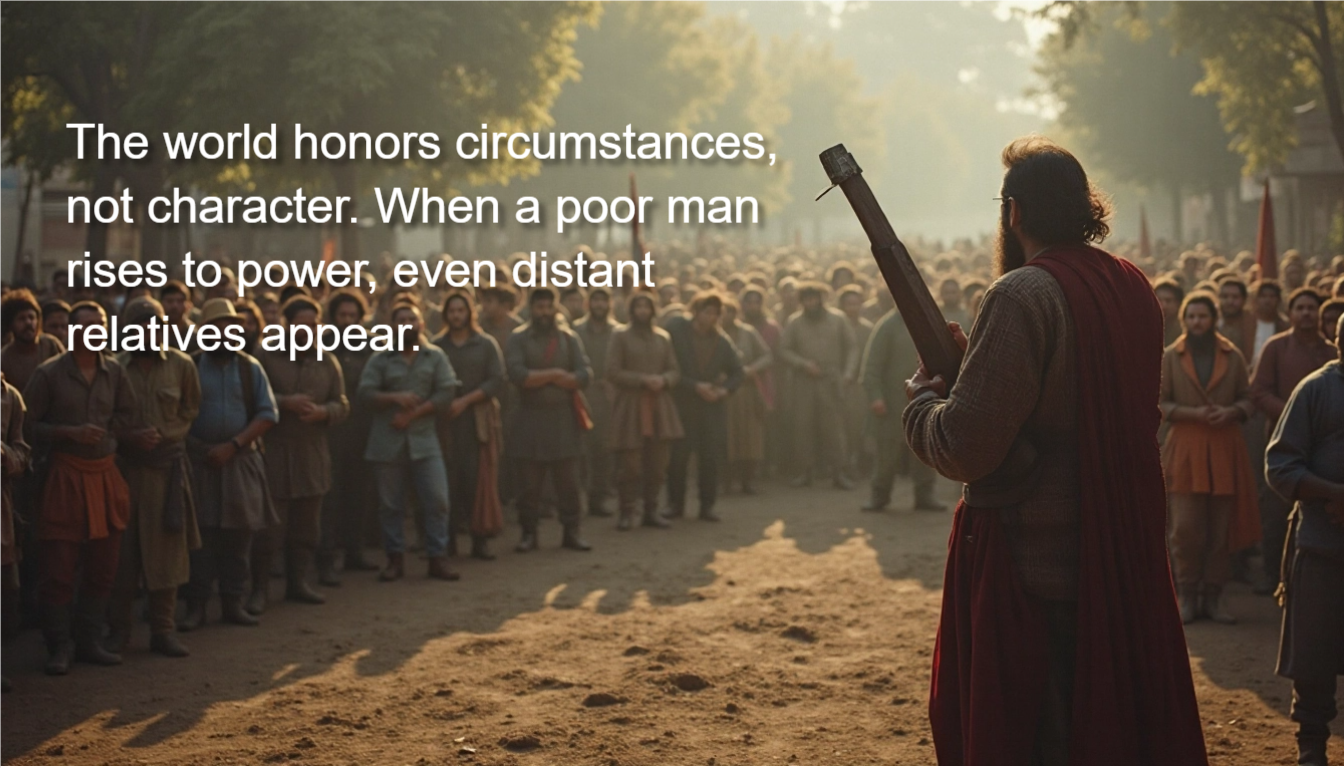
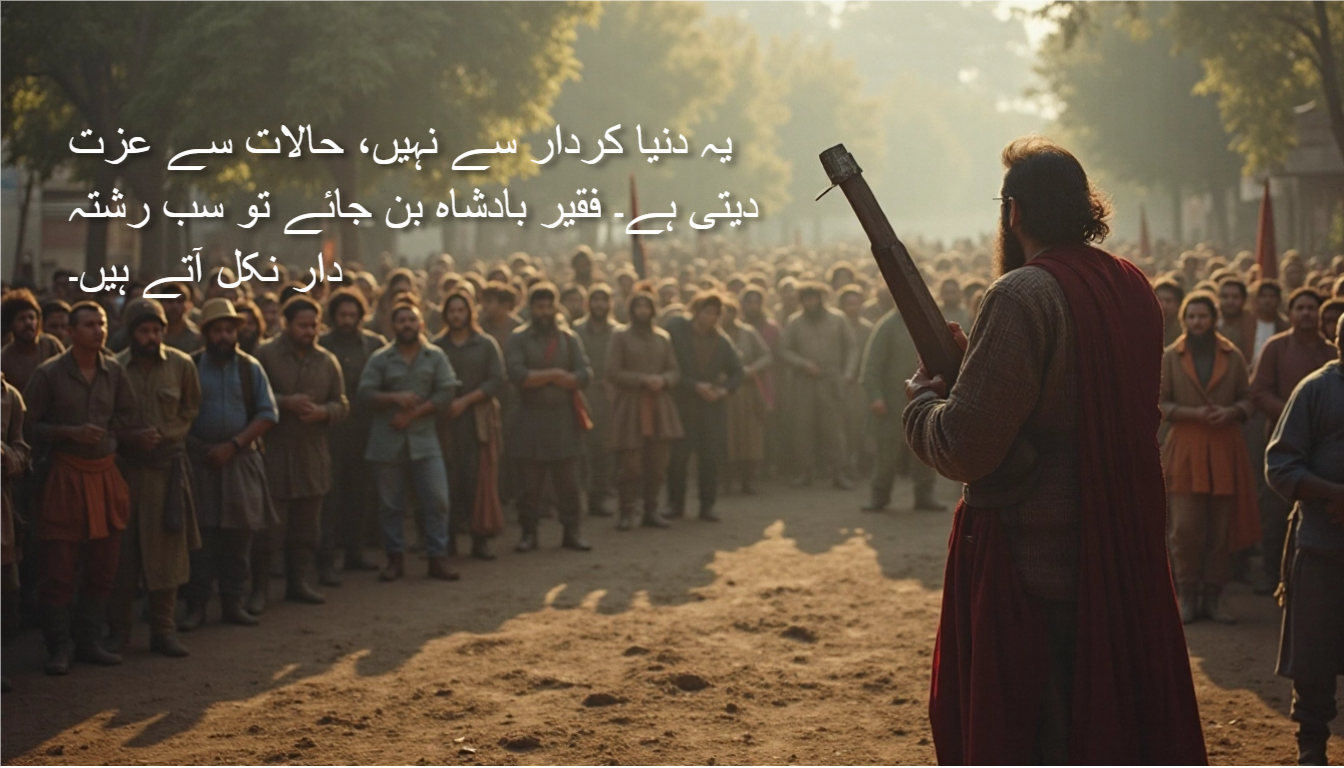
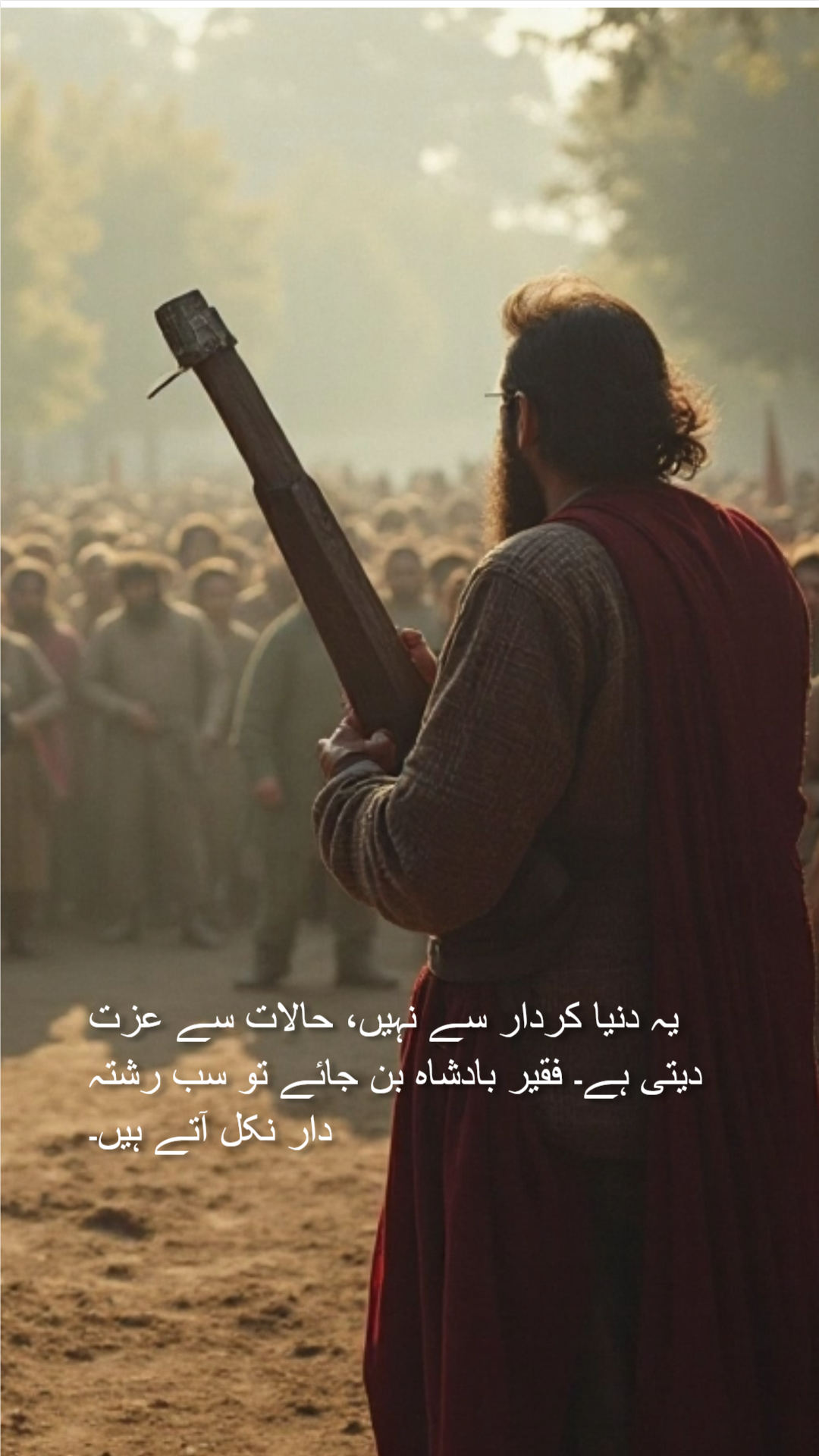
یہ دنیا کردار سے نہیں، حالات سے عزت دیتی ہے۔ فقیر بادشاہ بن جائے تو سب رشتہ دار نکل آتے ہیں۔
Yeh Duniya Kirdaar Se nehi, Halaat se Izzat Deti hai. Faqeer Badshah Banjaye to Sub Rishtadar Nikal Aate Hain.
The world honors circumstances, not character. When a poor man rises to power, even distant relatives appear.
,,
,,
یہ جملہ معاشرے کی اس منافقت کو ظاہر کرتا ہے جو دولت اور طاقت کو سچے کردار پر ترجیح دیتی ہے۔ غربت میں نظر انداز کیے جانے والا شخص جب اقتدار میں آ جاتا ہے تو اچانک ہی سب رشتہ دار اس کے قریب ہو جاتے ہیں۔ یہ تصویر انسانی فطرت اور سماجی سطحیت پر ایک گہرا طنز ہے۔
This observation critiques how society often values wealth and power over true character. It highlights the hypocrisy of people who ignore or neglect someone in hardship but quickly seek favor when that same person gains status. The imagery of a poor man’s sudden rise to kingship—and the opportunistic relatives who appear—serves as a sharp commentary on human nature and societal superficiality.
20
/ 36
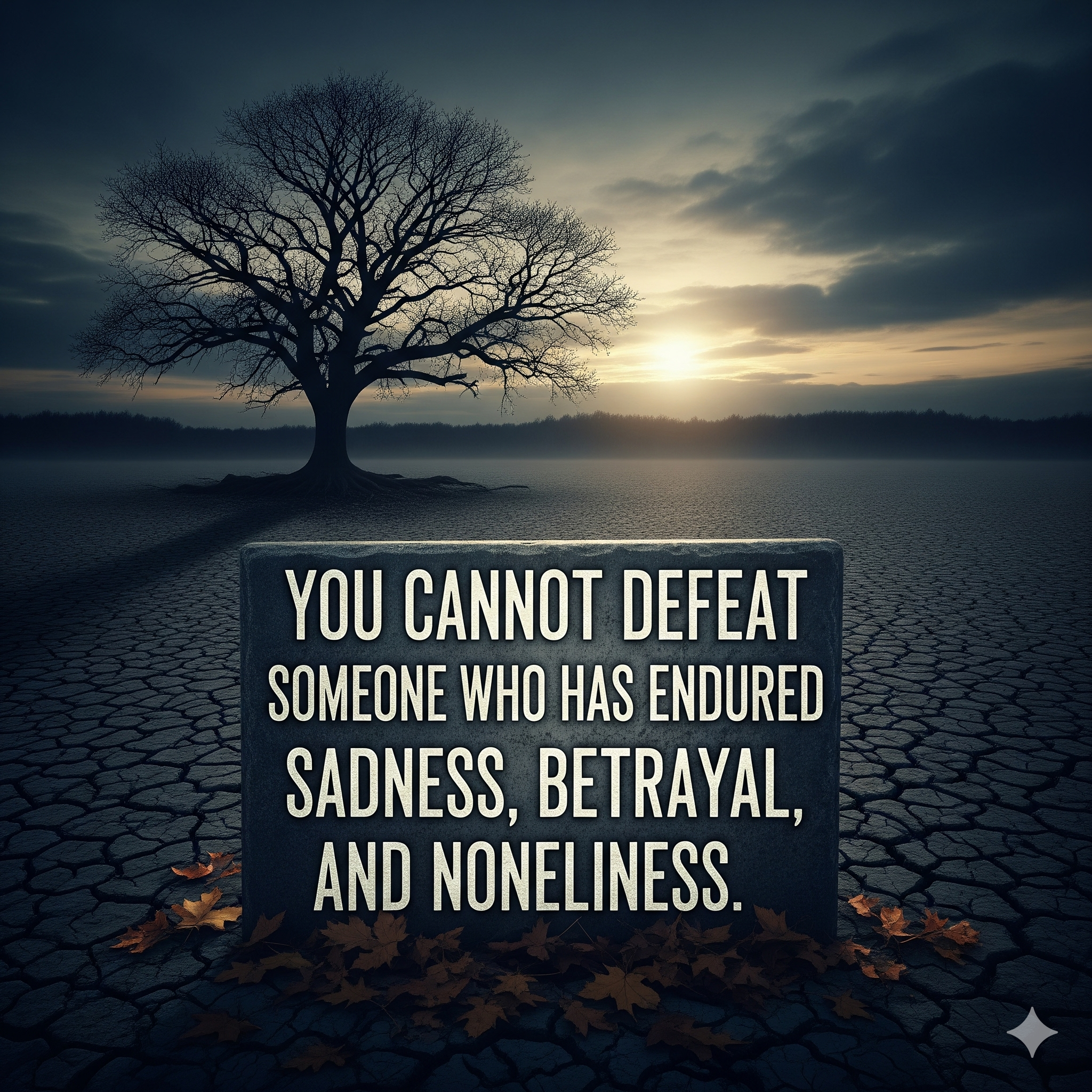
آپ ایسے شخص کو شکست نہیں دے سکتے جس نے اداسی دھوکہ دہی اور تنہائی کو برداشت کیا ہو۔
Aap Aese Shaksh ko Shikast nehi de sakte jis ne Udasi, Dhoka dehi aur Tanhai ko bardasht kia ho.
You cannot defeat someone who has endured sadness, betrayal, and loneliness.
,,
,,
یہ طاقتور بیان ان لوگوں کی لچک کو اجاگر کرتا ہے جنہوں نے گہرے جذباتی مصائب کا سامنا کیا ہے۔ درد سے سخت ہو جانے والا شخص— خواہ وہ اداسی، خیانت، یا تنہائی سے ہو— غیر متزلزل ہو جاتا ہے۔ یہ ایک یاد دہانی ہے کہ مشکلات کے ذریعے برداشت ایک ناقابل تسخیر روح پیدا کر سکتی ہے۔
This powerful statement highlights the resilience of those who have faced deep emotional suffering. A person hardened by pain—whether from sadness, betrayal, or isolation—becomes unshakable. Their struggles have forged an inner strength that makes them impervious to defeat. It’s a reminder that endurance through hardship can create an indomitable spirit.
Images
21
/ 36
کتے کو اپنا خوف اور انسان کو اپنی ضرورت کبھی سونگھنے نہ دیں۔ ورنہ دونوںکاٹ لیں گے۔
Kuttay ko apna Khauf aur Insaan ko apni zaroorat kabhi soonghne na den; Warna! Dono Kaat Lengay.
Never let a dog sense your fear or a man your need; otherwise, both will bite.
,,
,,
یہ اقتباس اعتماد اور خود کفالت کی اہمیت کو اجاگر کرتا ہے۔ خوف آپ کو کتے کے لیے کمزور بنا سکتا ہے، بالکل اسی طرح جیسے ضرورت آپ کو ان لوگوں کے لیے کمزور بنا سکتی ہے جو اس کا فائدہ اٹھا سکتے ہیں۔ مضبوط رہیں، اور اپنی کمزوریوں کو غلط لوگوں پر ظاہر نہ ہونے دیں۔
This quote highlights the importance of confidence and self-sufficiency. Fear can make you vulnerable to a dog, just as neediness can make you vulnerable to people who might take advantage of it. Stay strong, and don’t let your weaknesses show to the wrong audience.
22
/ 36
وقت، اعتبار اور عزت ایسے پرندے ہیں جوایک بار اڑ جائیں تو واپس نہیں آتے۔
Waqt, Aetibar Aur Izzat Aese Parinday Hain Jo aik bar Ur Jayen to Wapis Nehi Aate.
Time, trust and honor are birds that once flown do not return.
,,
,,
23
/ 36
مشکل وقت سبھی پر آتا ہے کوئی بکھر جاتا ہے کوئی نکھر جاتا ہے۔
Mushkil Waqt Sabhi Per Aata Hai. Koi Bikhar Jata Hai, Koi Nikhar Jata Hai.
Hard times come to everyone, some break down, some flourish.
,,
,,
یہ اقتباس زندگی کے ناگزیر چیلنجوں پر روشنی ڈالتا ہے، اس بات پر زور دیتا ہے کہ مشکل وقت ہر ایک کو بلا امتیاز متاثر کرتا ہے۔ تاہم، یہ لوگوں کے ردعمل کے متضاد طریقوں کی طرف بھی توجہ مبذول کراتا ہے، جہاںکچھ دباؤ کے سامنے جھک کر ہار مان لیتے ہیںتوکچھ مشکلات کو ترقی، لچک اور کامیابی کے موقع کے طور پر استعمال کرتے ہیں۔
This quote highlights the inevitable challenges of life, emphasizing that difficult times affect everyone indiscriminately. However, it draws attention to the contrasting ways people respond—while some succumb to the pressure and give up, others use adversity as an opportunity for growth, resilience, and success.
24
/ 36

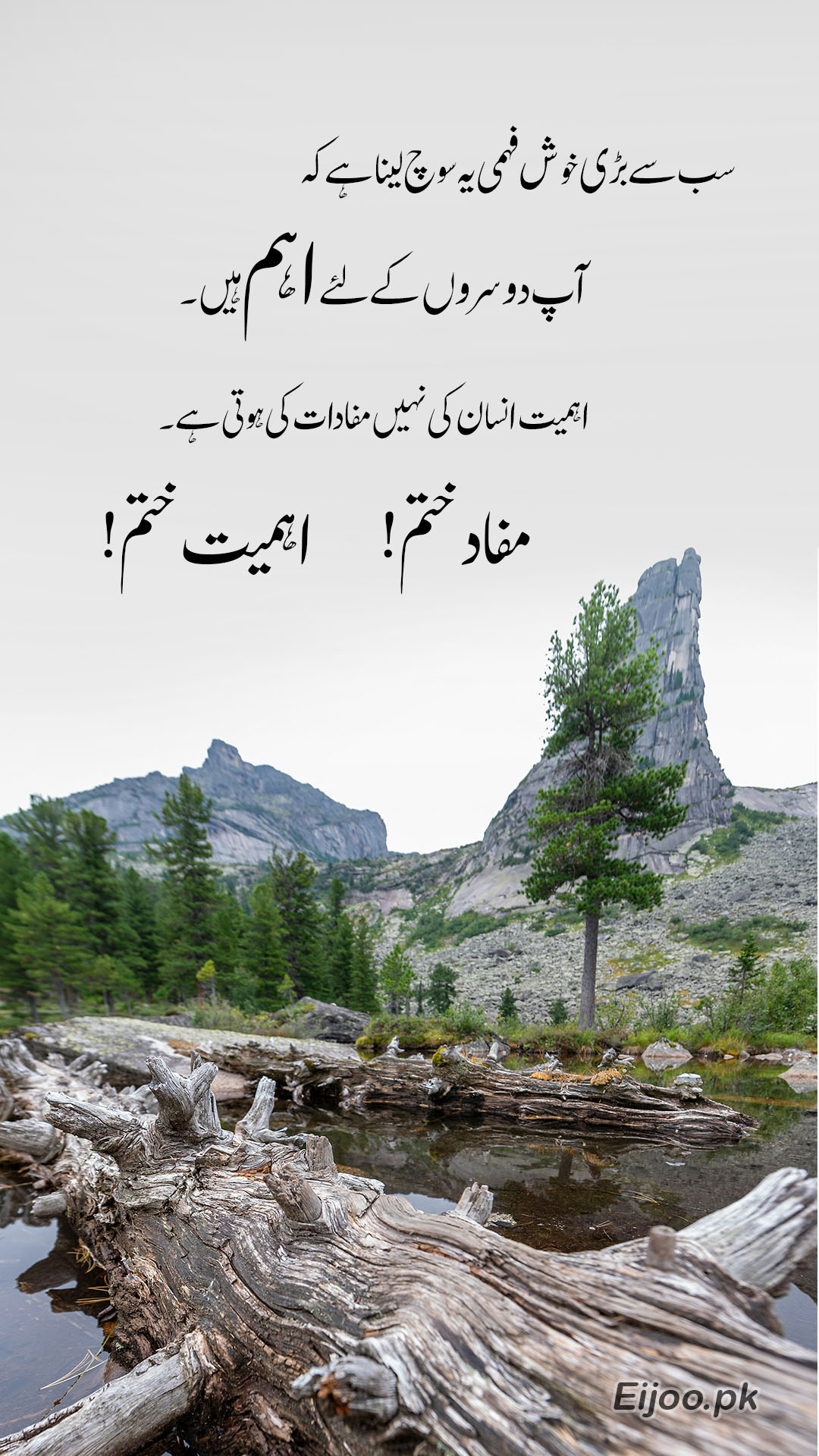
سب سے بڑی خوش فہمی یہ سوچ لینا ہے کہ آپ دوسروں کے لئے اہم ہیں۔ اہمیت انسان کی نہیں مفادات کی ہوتی ہے۔ مفاد ختم۔ اہمیت ختم۔
Sub se Bari Khushfehmi Yeh Soch Lena Hai ke Aap Doosron ke lye Ahem Hain. Ahmiyat Insaan ki Nehi Mafadaat ki Hoti Hai. Mafaad Khatam! Ahmiyat Khatam!
The greatest illusion is believing you hold importance to others. It's not people who matter; it's interests. When interests end, so does significance.
,,
,,
یہ اقتباس خود غرضی کے کردار کے بارے میں ایک سنجیدہ سچائی کو اجاگر کرتے ہوئے، انسانی رشتوں کی نوعیت کو بیان کرتا ہے۔ اس سے پتہ چلتا ہے کہ ذاتی اہمیت اکثر فوائد کے مقابلے میں ثانوی ہوتی ہے۔ جب تک مشترکہ مفاد ہے، قدر ہے۔ ایک بار جب وہ مفاد ختم ہو جاتا ہے، تو اہمیت کا ادراک بھی ختم ہو جاتا ہے۔ یہ پیغام دوسروں کی زندگیوں میں اپنے مقام کو زیادہ اہمیت دینے کے خلاف خبردار کرتا ہے اور انسانی روابط کی اکثر مشروط نوعیت پر زور دیتا ہے۔
This quote delves into the nature of human relationships, highlighting a sobering truth about the role of self-interest. It suggests that personal importance is often secondary to the benefits one brings. As long as there is a shared interest, there is value; once that interest fades, so too does the perception of significance. The message warns against overestimating one’s place in others’ lives and emphasizes the often conditional nature of human connections.

25
/ 36
زندگی خود راستے بناتی ہے، راستے زندگی نہیں بناتے۔
Zindagi Khud Raaste Banati Hai, Raaste Zindagi Nehi Banate.
Life itself makes paths, paths do not make life.
,,
,,
یہ جملہ اس خیال پر زور دیتا ہے کہ زندگی اپنے منفرد راستے بناتی ہے جیسے ہی یہ سامنے آتی ہے۔ اس سے پتہ چلتا ہے کہ ہم پہلے سے طے شدہ راستوں سے مجبور نہیں ہیں۔ اس کے بجائے، زندگی ایک ارتقائی سفر ہے جسے ہم شکل دیتے ہیں۔
This phrasing emphasizes the idea that life creates its own unique routes as it unfolds. It suggests that we aren’t constrained by pre-set paths; instead, life is an evolving journey that we shape.
26
/ 36
ہم اچھا ہونے یا اچھا بننے کے باوجود کسی نہ کسی کہانی میں برے ہوتے ہیں۔
Hum Acha Honay Ya Acha Bannay Ke Bawajud Kisi Na Kisi Kahani Main Burey Hote Hain.
We are bad in one story or the other despite being good or becoming good.
,,
,,
یہ جملہ اس خیال کو اپنی گرفت میں لے لیتا ہے کہ چاہے ہم کتنے ہی اچھے یا نیک نیت کیوں نہ ہوں، ہمیں پھر بھی بعض حالات یا رشتوں کے تناظر میں "خراب" یا خامی کے طور پر دیکھا جا سکتا ہے۔ اس سے پتہ چلتا ہے کہ انسانی پیچیدگی کا مطلب ہے کہ ہم اچھی اور بری دونوں خوبیوں کو ایک ساتھ رکھ سکتے ہیں، اور یہاں تک کہ ہمارے بہترین اعمال یا ارادے کو بھی دوسروں کے نقطہ نظر کے لحاظ سے مختلف طریقے سے سمجھا جا سکتا ہے۔ اس کا مطلب اخلاقیات اور خود شناسی کا ایک باریک نظریہ ہے — یہ تسلیم کرنا کہ ہر کوئی زندگی میں مختلف "کہانیوں" یا رشتوں میں ہیرو اور ولن دونوں کردار ادا کرتا ہے۔ یہ جملہ غلط فہمیوں، متضاد اقدار، یا غیر ارادی نقصان کی ناگزیریت کو چھوتا ہے، ہمیں یاد دلاتا ہے کہ کمال ناممکن ہے اور یہ کہ ذاتی ترقی ہماری غلط فہمی یا غلطیاں کرنے کی صلاحیت کو ختم نہیں کرتی ہے۔
This phrase captures the idea that, no matter how good or well-intentioned we may be, we can still be seen as "bad" or flawed within the context of certain situations or relationships. It suggests that human complexity means we can hold both good and bad qualities simultaneously, and even our best actions or intentions can be perceived differently depending on the perspective of others. It implies a nuanced view of morality and self-perception—acknowledging that everyone plays both hero and villain roles across the different "stories" or relationships in life. The phrase touches on the inevitability of misunderstandings, conflicting values, or unintended harm, reminding us that perfection is impossible and that personal growth doesn’t erase our potential to be misunderstood or make mistakes.
27
/ 36
مصیبت اگر انسان کو دولتمند نہیں تو عقلمند ضرور بنا دیتی ہے۔
Museebat Agar Insaan Ko Dolatmand Nehi to Aqalmand Zaroor Bana Deti hai.
Adversity makes a person wise if not wealthy
,,
,,
28
/ 36

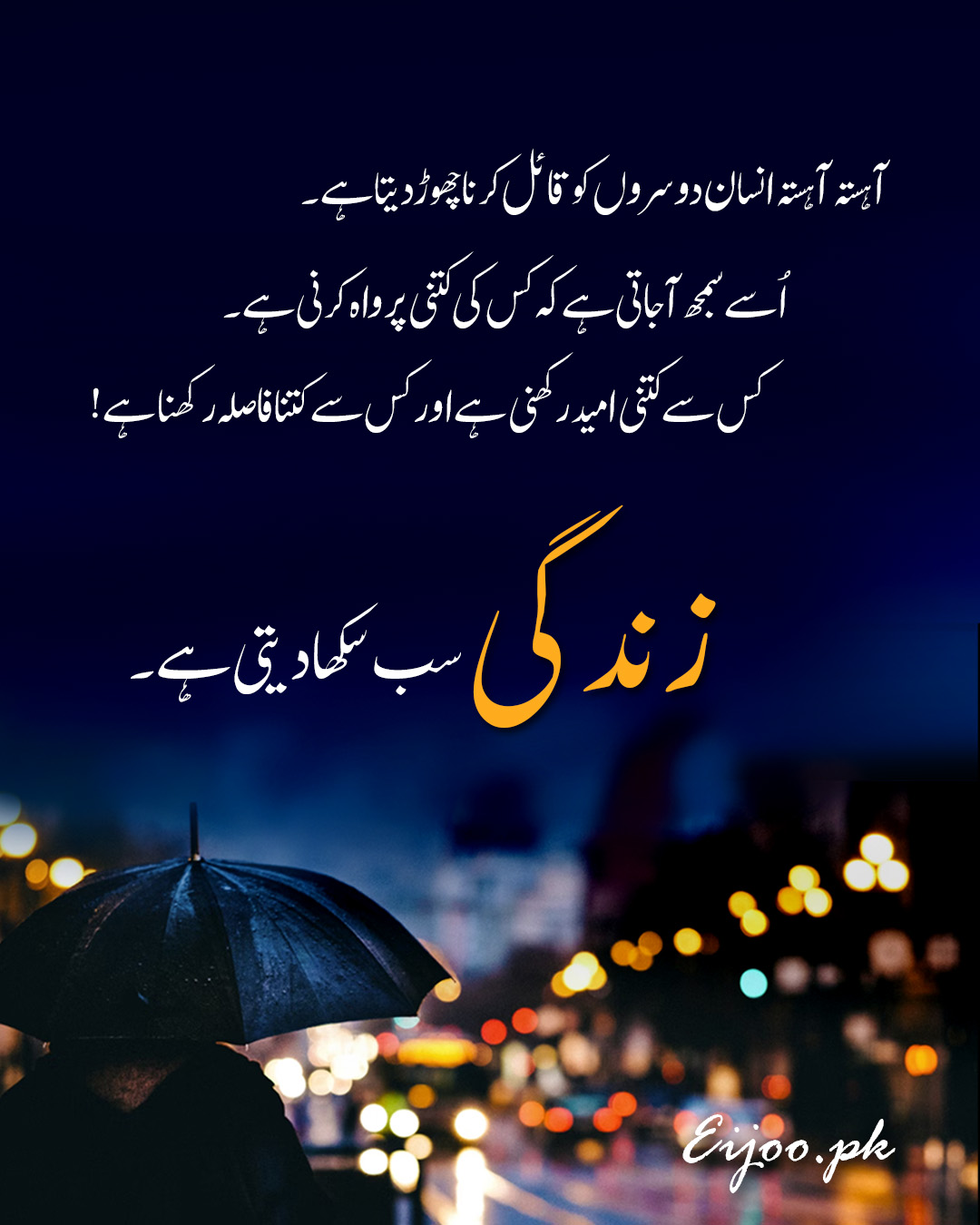
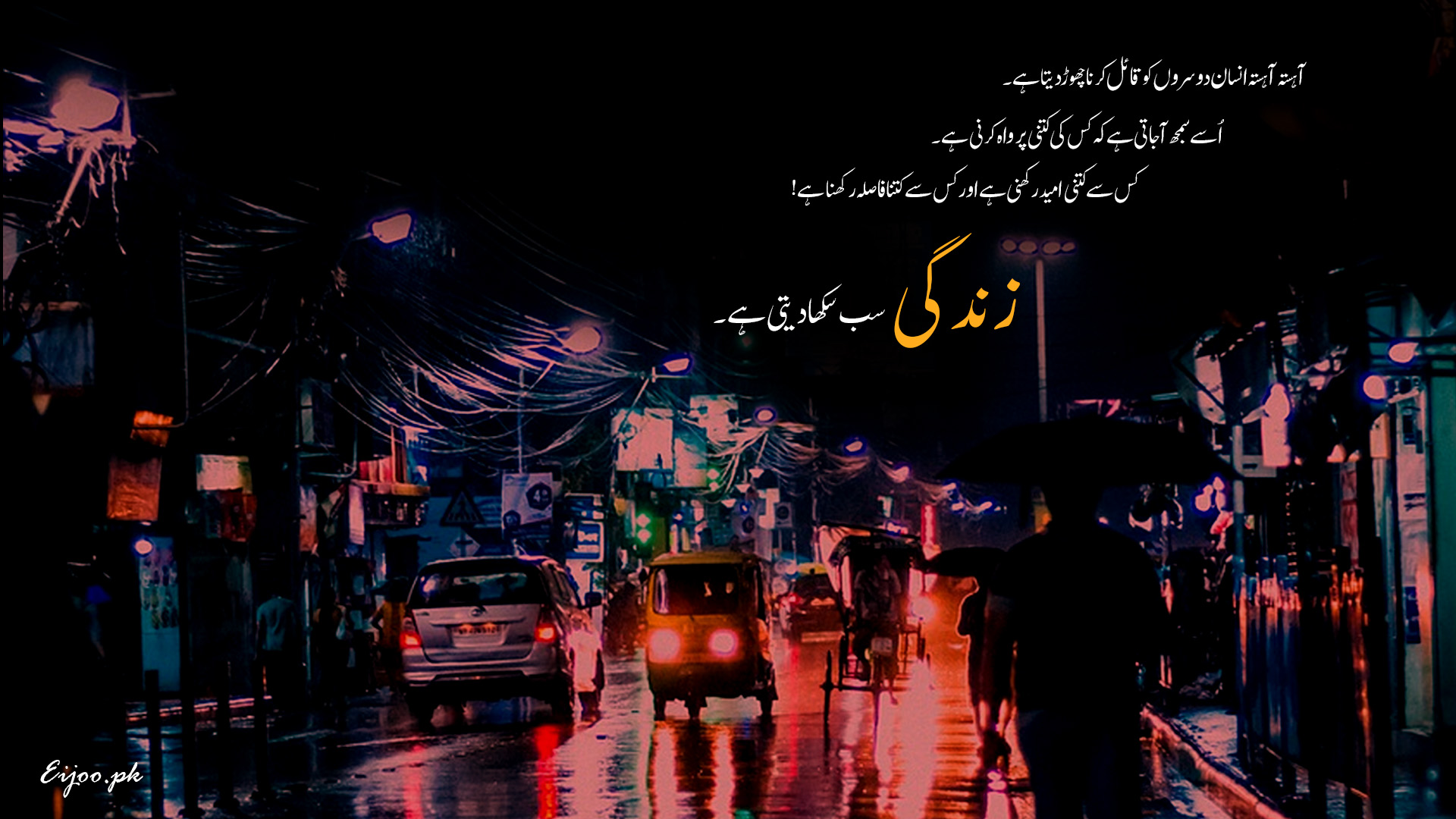
آہستہ آہستہ انسان دوسروں کو قائل کرنا چھوڑدیتا ہے اسے سمجھ آجاتی ہےکہ کس کی کتنی پرواہ کرنی ہے کس سے کتنی امید رکھنی ہے اور کس سے کتنا فاصلہ رکھنا ہے! زندگی سب سکھادیتی ہے۔
Aahista Aahista Insaan Doosron Ko Qail Karna chor Deta hai ussay Samajh Ajati Hai ke Kis ki Kitni Parwah Karni Hai Kis se Kitni Umeed Rakhni Hai Aur Kis se Kitna Faasla Rakhna Hai! Zindagi Sub Sikha Deti Hai.
Gradually, a person stops convincing others, he understands how much to care about, how much to hope for and how much distance to keep from whom! Life teaches everything.
,,
,,


29
/ 36
ناکامی یتیم ہوتی ہے اور کامیابی کے سو باپ نکل آتے ہیں۔
Nakaami Yateem Hoti Hai Aur Kamyabi ke So Baap Nikal Aate Hain.
Failure is an orphan, but success has many fathers.
,,
,,
30
/ 36
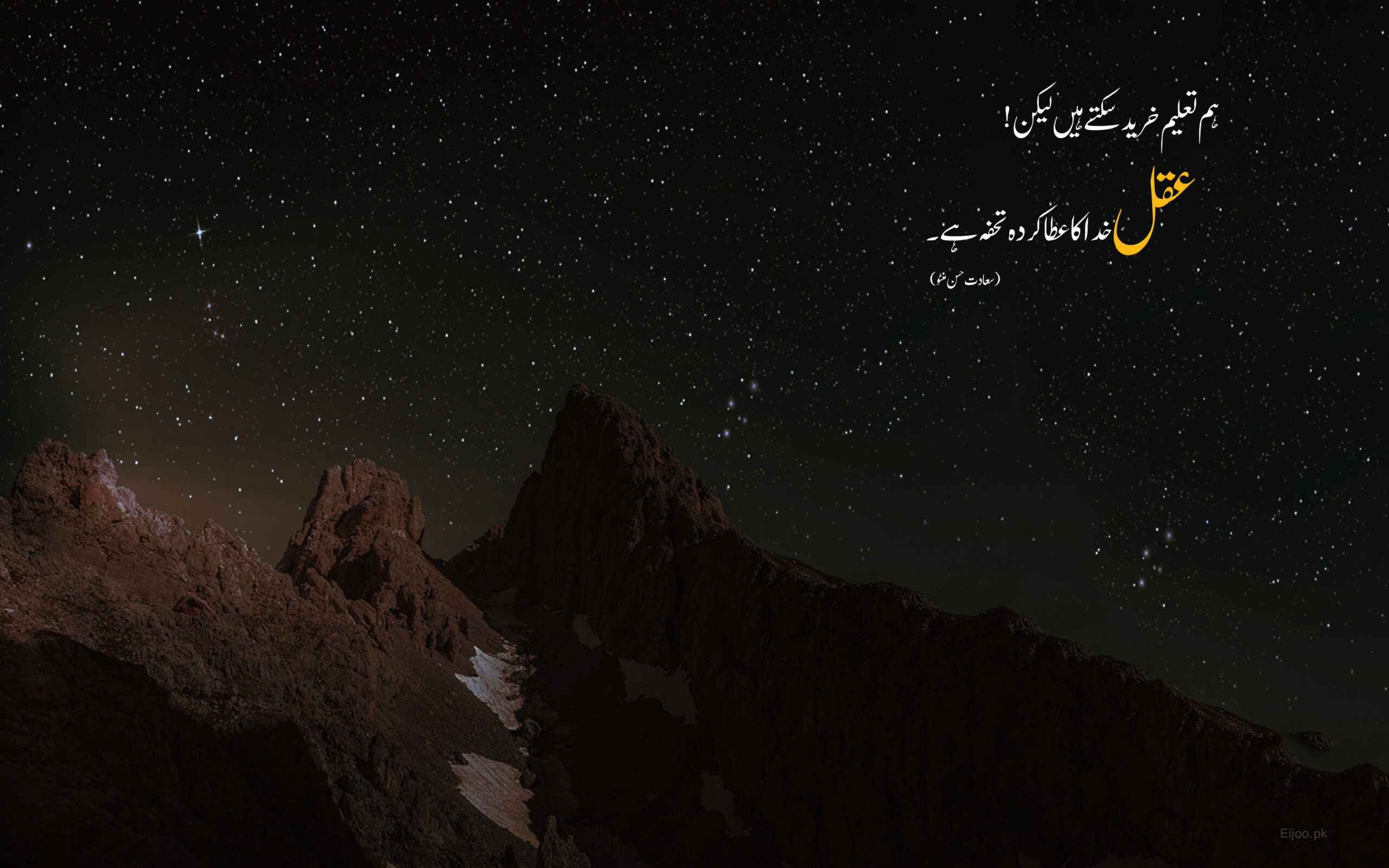
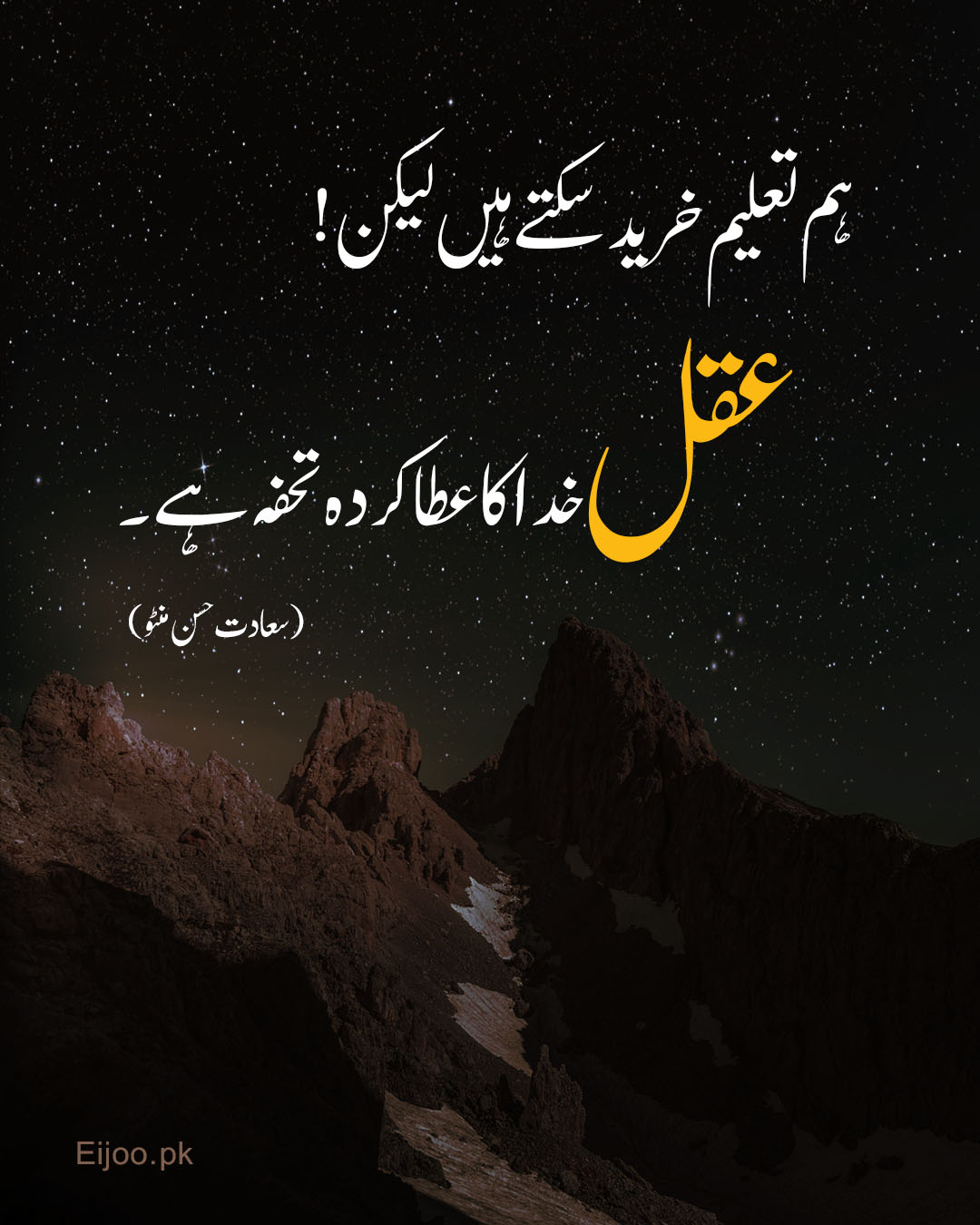
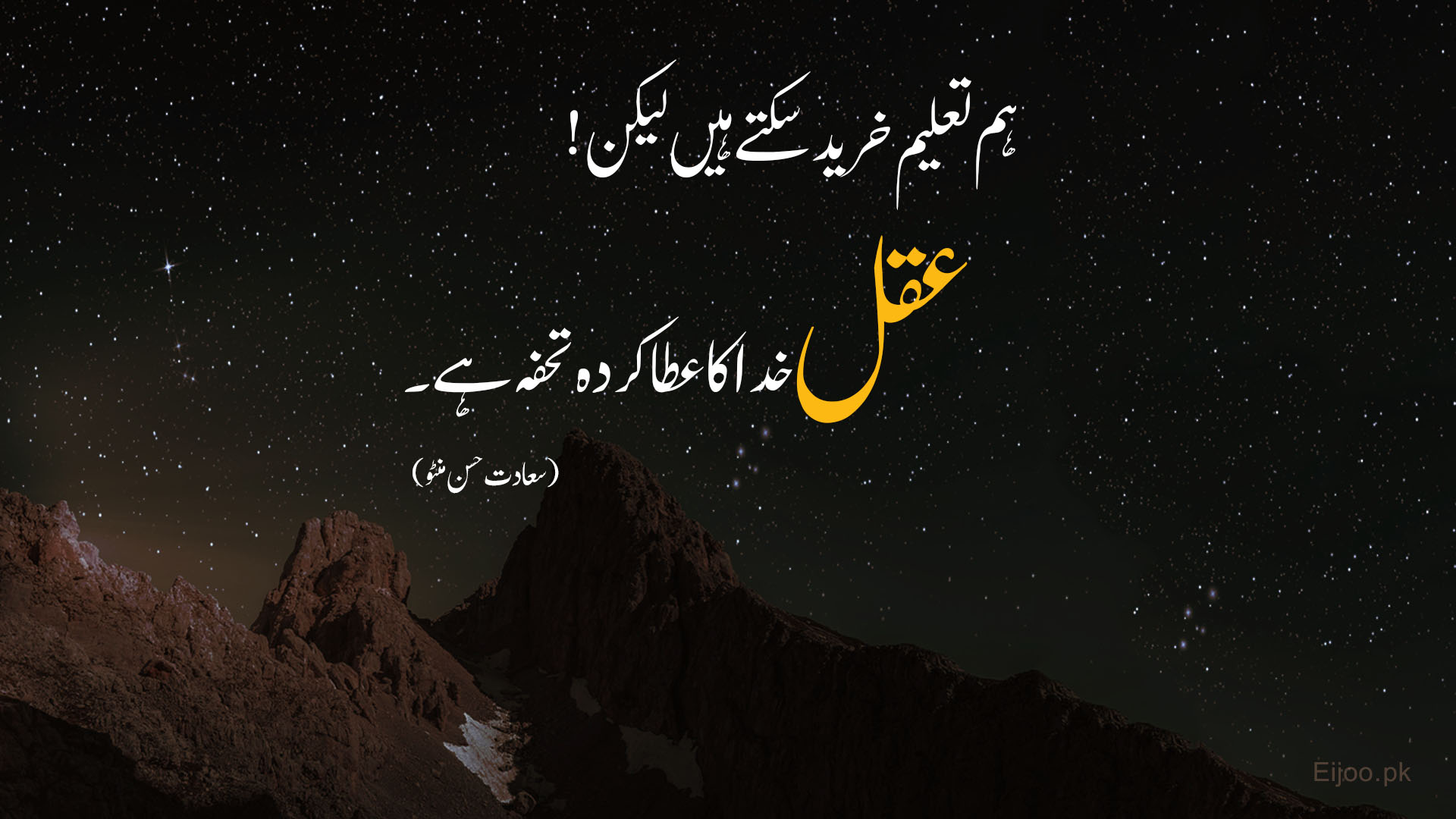
ہم تعلیم خرید سکتے ہیں لیکن عقل خدا کا عطا کردہ تحفہ ہے۔
hum taleem khareed sakte hain lekin aqal khuda ka ata karda tohfa hai.
We can buy education, but wisdom is the gift of God.
,,
,,


31
/ 36
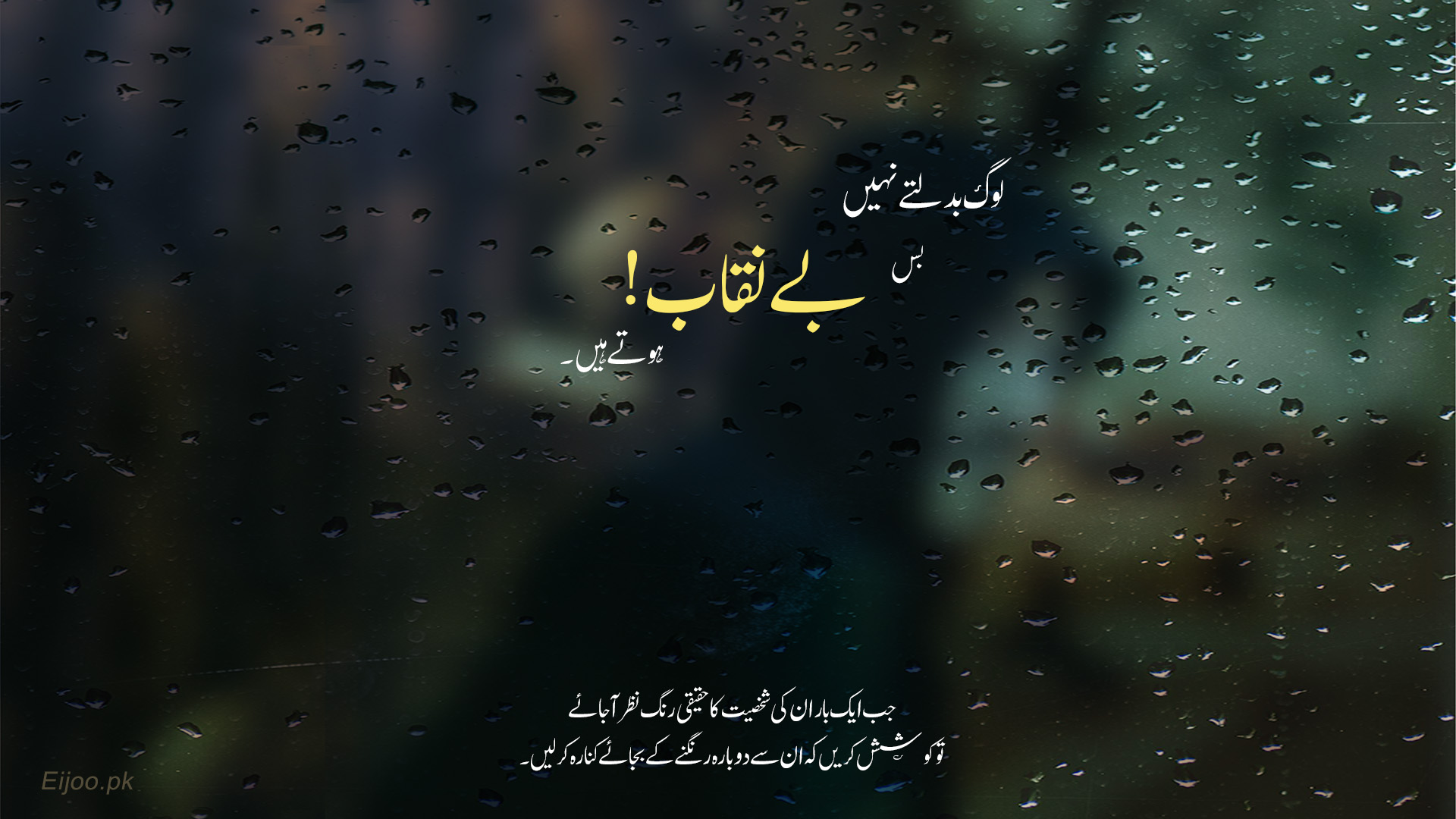
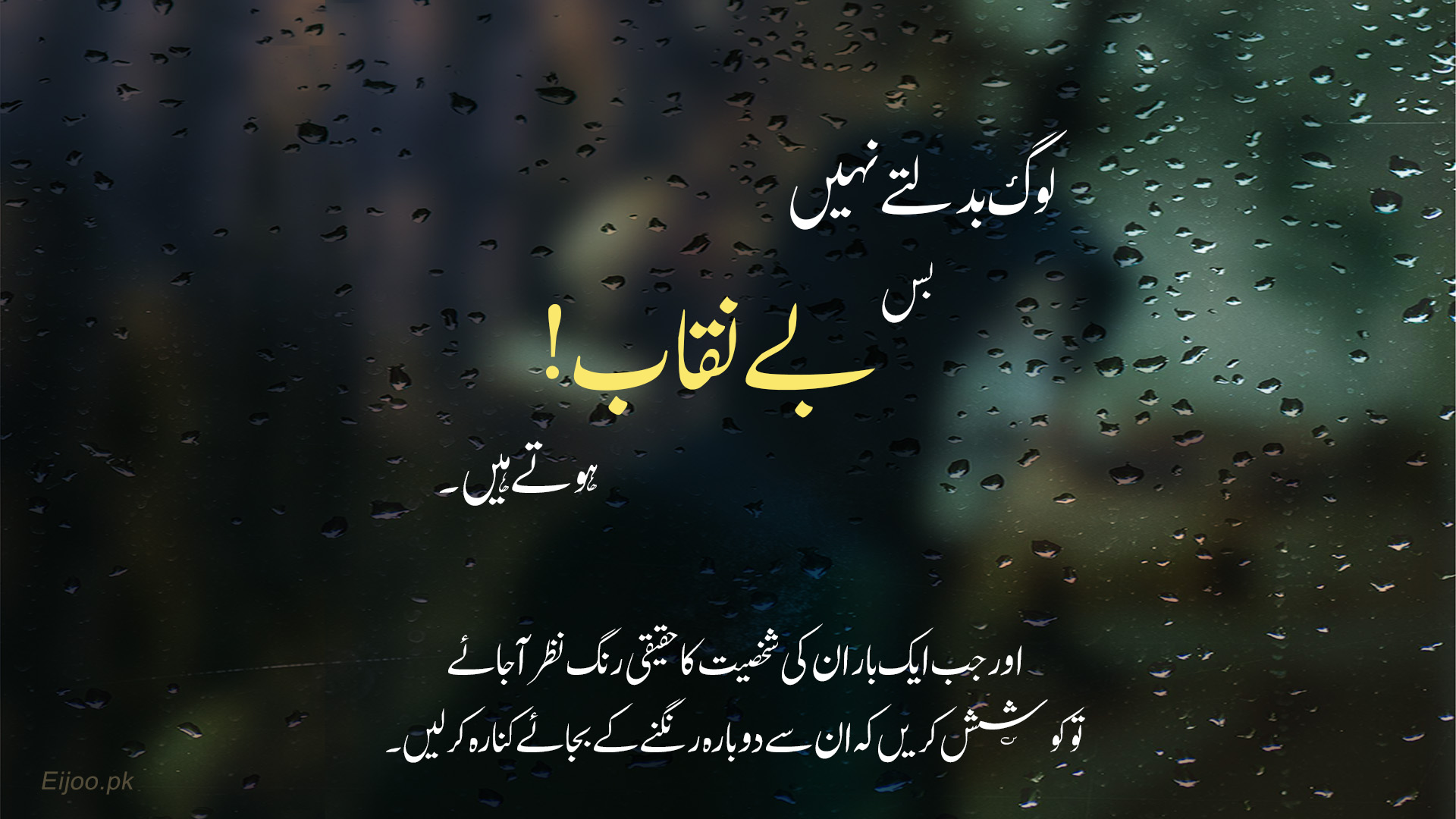
لوگ بدلتے نہیں بس بے نقاب ہوتے ہیں اور جب ایک بار ان کی شخصیت کا حقیقی رنگ نظر آجائے تو کوشش کریں کہ ان سے دوبارہ رنگنے کےبجائےکنارہ کرلیں۔
Log Badalte Nehi BeNiqab Hote Hain Aur Jab aik bar In Ki Shaksiat ka Haqeeqi Rang Nazar Ajaye To Koshish Karain Ke Inse Dobara Rangne Ke Bajaye Kinara Karlain.
People don't change, they just get exposed, and once you see the true color of their personality, try to avoid instead of re-coloring by them.
,,
,,


32
/ 36
زندگی میں کبھی بُرے وقت سے سامنا ہوجائے تو خاموش رہنا ورنہ دنیا تماشہ بنا دیگی۔
Zindagi Main Kabhi Buray Waqt Se Samna Hojaye to Khamosh Rehna... Warna Dunya Tamasha Bana degi.
If you ever face a bad time in your life, keep quiet otherwise the world will turn you into a spectacle.
,,
,,
Images
33
/ 36
ہارنا تب ضروری ہوجاتا ہے جب لڑائی اپنوں سے ہو... اورجیتنا تب ضروری ہوتا ہے جب لڑائی اپنے آپ سے ہو۔
Haarna Tab Zaroori Hojata hai jab Larai Apnon Se ho.... Aur Jeeta Tab Zaroori hota hai Jab Larai Apne Aap se ho.
Losing becomes necessary when the fight is with one's own and winning is necessary when the fight is with oneself.
,,
,,
34
/ 36
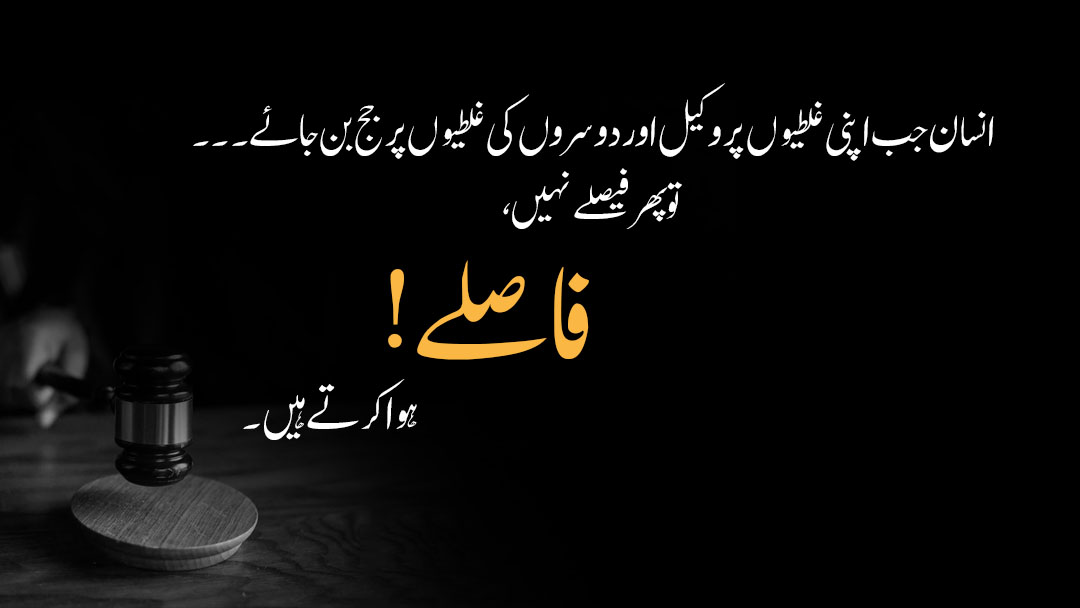
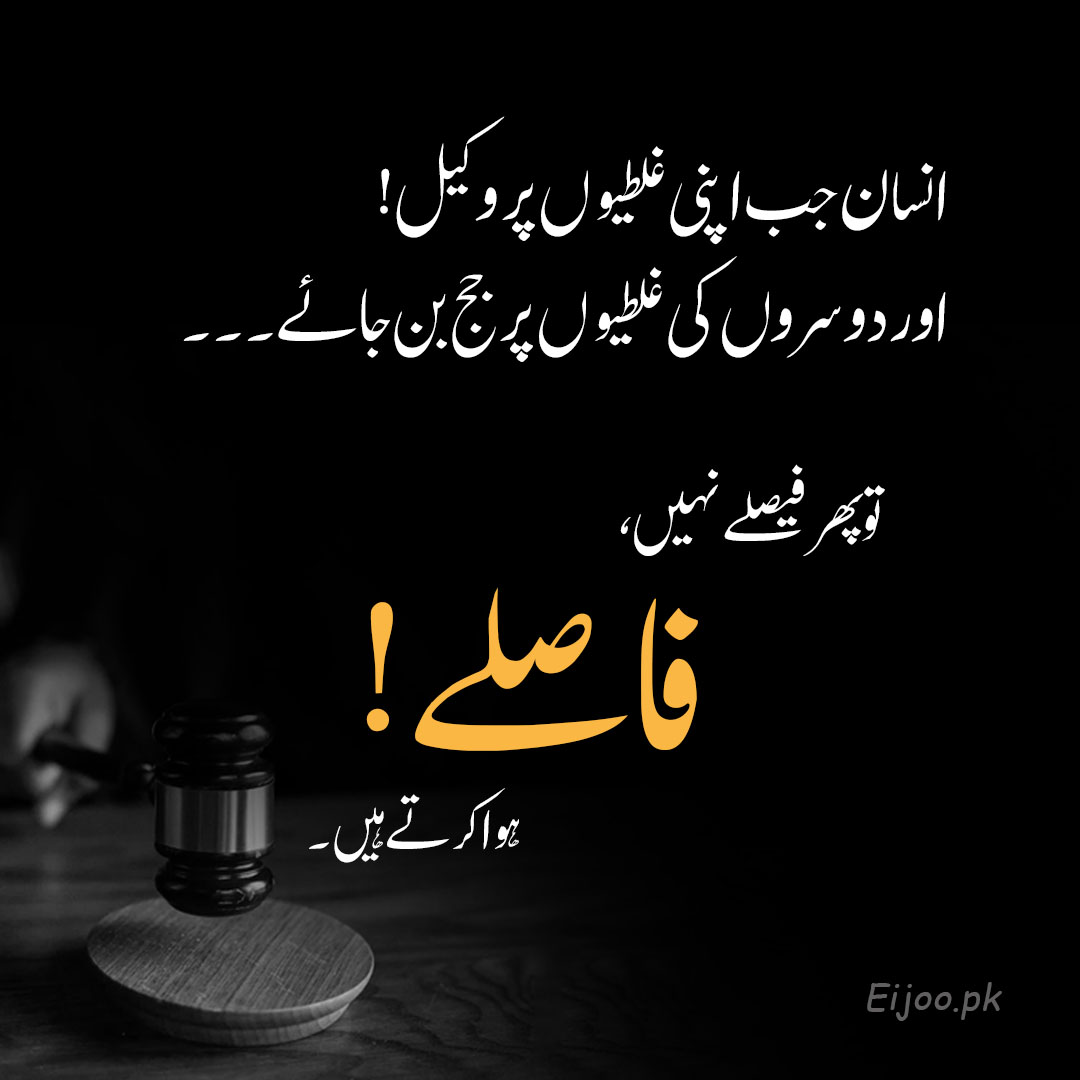
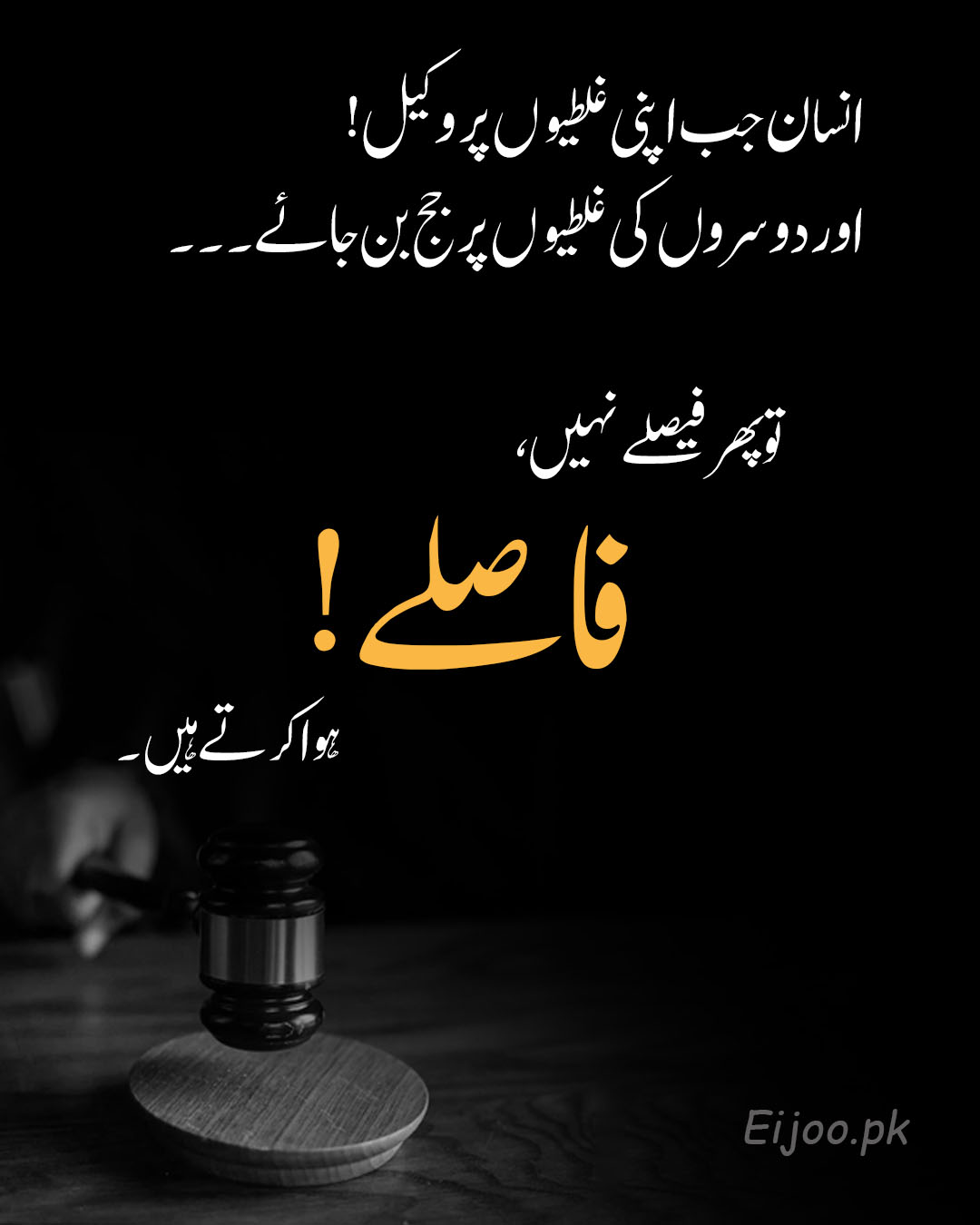
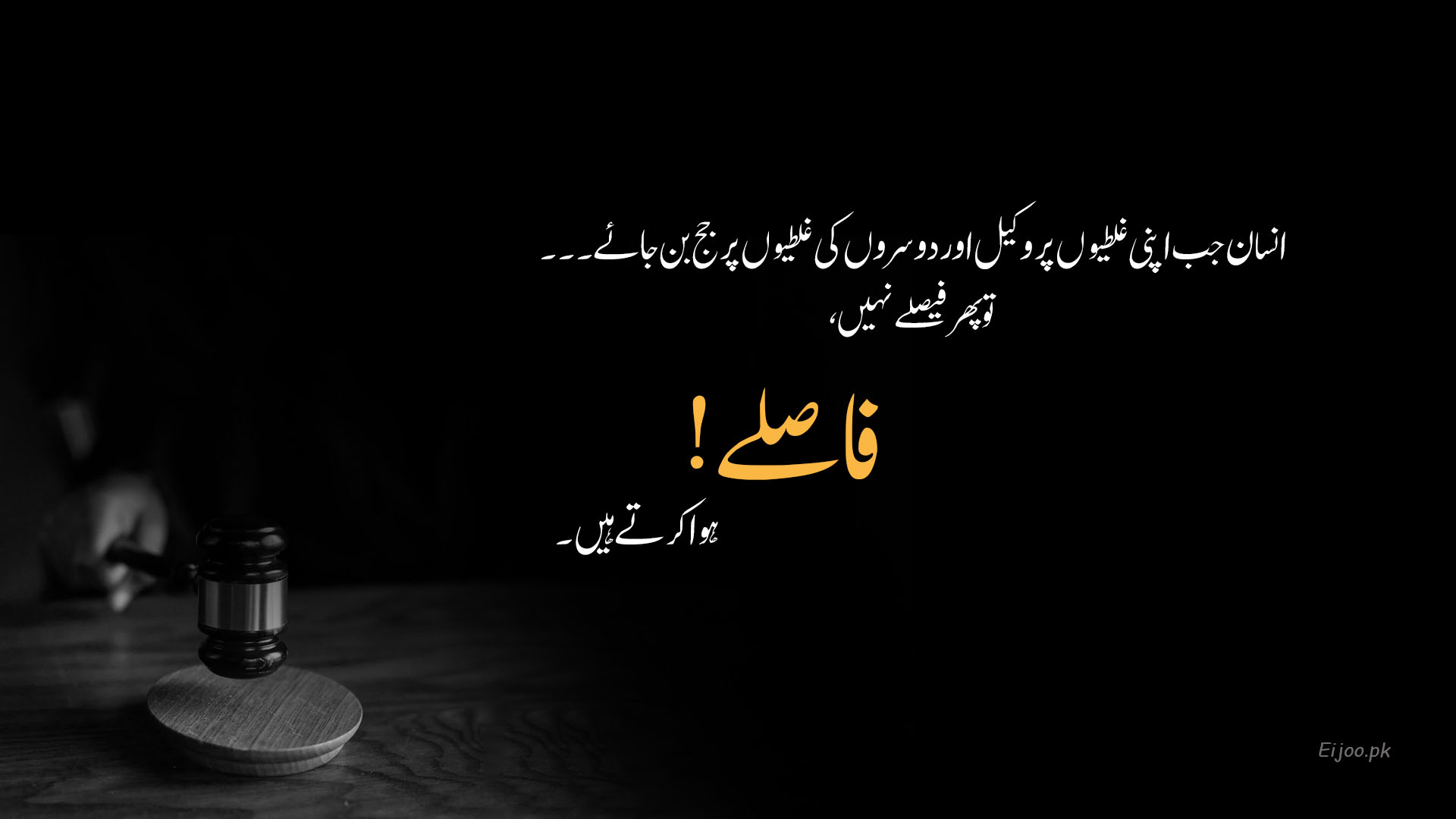
انسان جب اپنی غلطیوں پروکیل اور دوسروں کی غلطیوں پر جج بن جائے تو پھرفیصلے نہیں، فاصلے ہوا کرتے ہیں۔
Insaan Jab Apni Ghaltyon per Wakeel aur Doosron ki Ghaltyon per Judge Ban jaye to phir Faislay Nehi Faaslay Huwa Karte Hain.
When a person becomes a lawyer for his own mistakes and a judge for the mistakes of others, then distance is made, not judgments.
,,
,,


35
/ 36
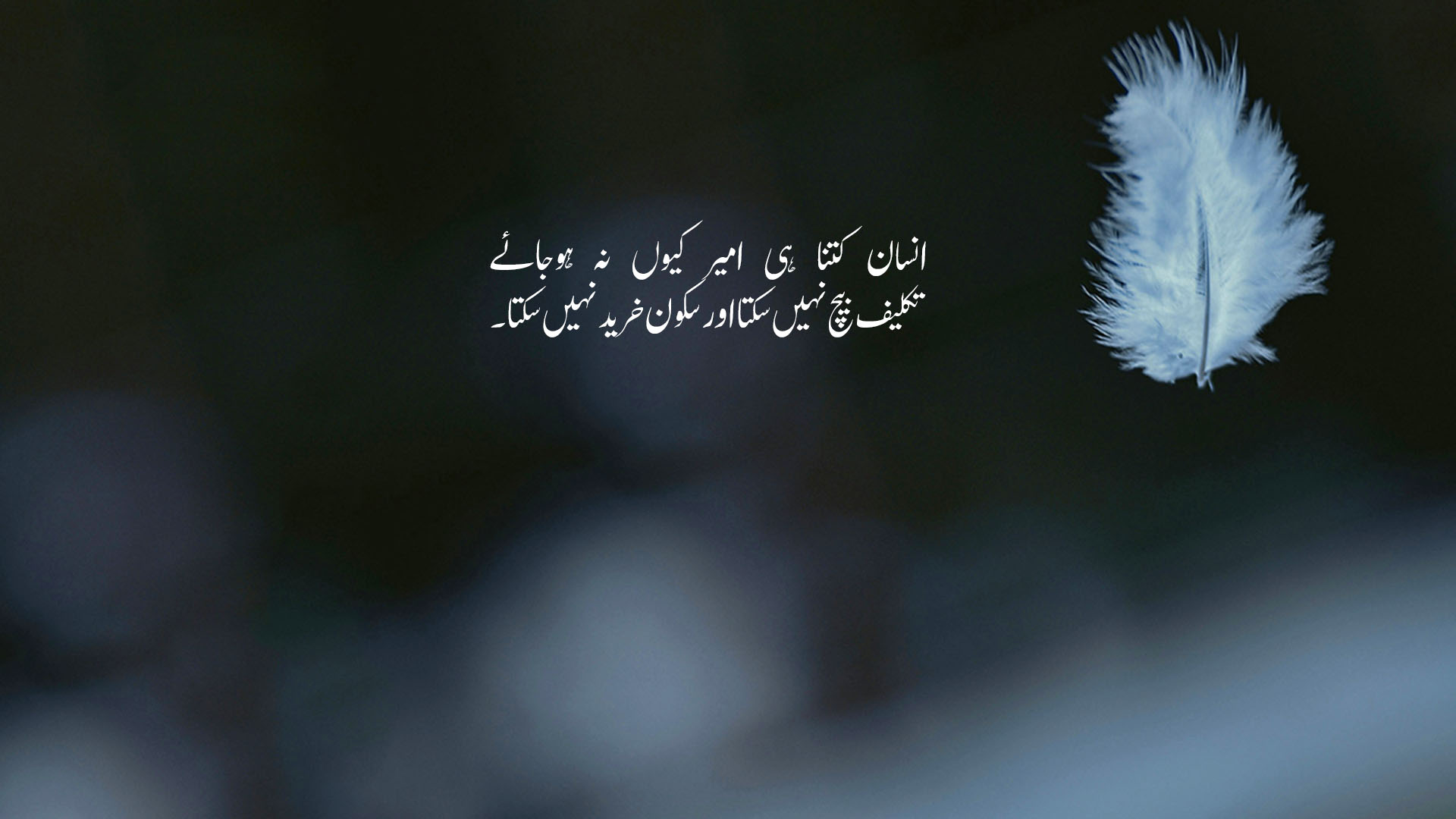
انسان کتنا ہی امیر کیوں نہ ہوجائے تکلیف بیچ نہیں سکتا اور سکون خرید نہیں سکتا۔
Insaan Kitna He Ameer Kiun Na Hojaye, Takleef Bech Nehi Sakta Aur Sukoon Khareed Nehi Sakta.
No matter how rich a person becomes, he cannot sell pain and buy peace.